Small teams want a project hub that removes friction without burying work in configuration. Basecamp vs Asana sits at the center of that decision because each tool solves the same problem using a different philosophy.
Asana leans into structure, layered views, and automation that scale gracefully as workflows grow. Basecamp focuses on conversation, clarity, and predictable pricing that teams can grasp in minutes.
Clear choices emerge once interface patterns, collaboration habits, task depth, integrations, and pricing are compared directly. The sections below surface the trade-offs that matter most to hands-on operators.

What Sets These Tools Apart
Both platforms aim to make work visible and accountable, yet they prioritize different behaviors. Asana emphasizes tasks and dependencies that roll up into dashboards and workload views.
Basecamp puts message boards, Campfire chat, automatic check-ins, scheduling, and Docs & Files in one straightforward project home.
Expect Asana to shine when projects carry multiple stages, cross-team handoffs, and reporting needs. Expect Basecamp to feel natural when conversations move decisions forward quickly, and teams prefer fewer knobs and switches.
Interface and Ease Of Use
Small teams judge interfaces on speed, clarity, and the number of clicks required to stay oriented. Differences here influence adoption more than any checklist of features.
Asana’s Visual Structure
Asana provides List, Board, Calendar, and Timeline views, plus custom fields that keep status apparent across projects. Navigation groups relate actions logically, so switching from planning to tracking rarely breaks the flow.
Dashboards summarize progress, and workload views expose imbalances before deadlines slip. A short setup period pays off once recurring work and templates are established.
Basecamp’s Central Hub
Basecamp opens to a project home that bundles messages, to-dos, schedules, Docs & Files, Card Tables, and Campfire. Orientation happens quickly because information is in one place rather than spread across multiple menus.
The Card Table, Basecamp’s take on Kanban, offers columns for triage and in-progress work, while The Lineup and Mission Control provide higher-level overviews of initiatives.
Collaboration and Communication
Effective collaboration keeps tasks moving without meeting sprawl or scattered threads. Each tool bakes communication into its core in different ways.
Workflow-Embedded Collaboration In Asana
Comments live on tasks, mentions notify the right people, and attachments remain tied to the work they support.
Native connections to Slack, Google Workspace, Microsoft Teams, and others maintain context across tools. The approach suits teams that want conversations anchored to deliverables and fields rather than free-form chat.
Conversation-First Collaboration In Basecamp
Message Boards capture decisions and announcements, Campfire handles quick chat, and Pings cover direct messages.
Automatic check-ins ask recurring questions that gather updates on a schedule, which reduces status meetings and keeps remote teams aligned. The model favors teams that value simplicity in communications and clear places to talk.
Task Management and Views
Task depth, views, and progress visualization separate these platforms more than any other category.
Asana Task Layers and Dependencies
Projects break down into tasks and subtasks with assignees, due dates, dependencies, and custom fields.
Views switch instantly between lists, boards, calendars, and timelines, so planning and execution stay aligned. Rules automate repetitive work, while dashboards present completion trends and blockers. This alignment makes Asana for complex projects a practical choice.
Basecamp To-Dos and Hill Chart
To-dos track ownership and due dates without heavy configuration. The Basecamp Hill Chart visualizes the climb from figuring things out to shipping, which helps stakeholders grasp momentum at a glance.
Card Tables provide a kanban-style path for reactive work, and The Lineup zooms out to show organizational timing across projects.
Integrations, Automation, and AI
Connections and automation determine how much busywork remains after setup. Differences here map closely to each tool’s philosophy.
Asana Automation and AI
Rules trigger actions when statuses change, due dates arrive, or fields update, which cuts manual triage.
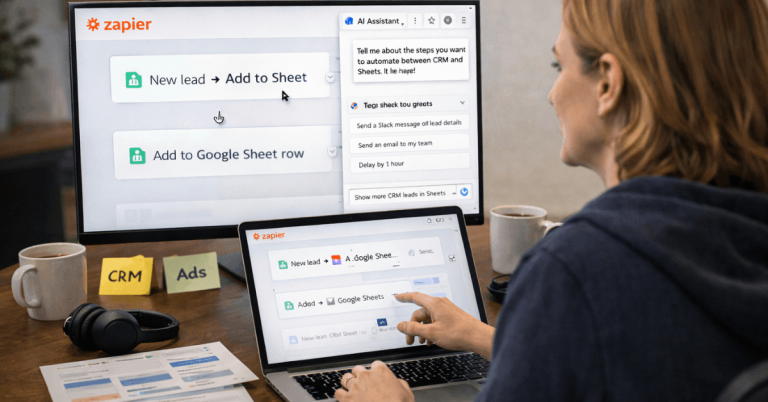
Recent Asana AI additions, such as Smart Summaries and Smart Chat, condense updates, outline next steps, and answer questions across projects using existing data. This combination of Asana automation and AI benefits small teams that want precision without hiring a full-time coordinator.
Basecamp Integrations and Simplicity
Native Basecamp integrations cover calendars and file storage providers, while additional connections flow through third-party automation tools when needed.
The platform intentionally avoids complex builders, keeping the focus on communication and straightforward coordination. Teams that dislike configuring rules or maintaining zaps may appreciate that restraint.
Pricing and Plans In 2026
Budgets depend on seat counts, feature tiers, and whether flat pricing fits better than per-user models. Figures below reflect publicly posted pricing verified on January 4, 2026. Taxes and regional differences can apply.
Asana Plans (Billed Annually):
| Plan | Price | Highlights |
| Personal | Free | Core tasks, basic collaboration, suitable for individuals or very small setups |
| Starter | $10.99 per user per month | Timeline and Gantt view, rules, Asana AI, key integrations |
| Advanced | $24.99 per user per month | Advanced reporting, forms, portfolio views, more admin controls |
| Enterprise / Enterprise+ | Custom | SSO, SCIM, audit capabilities, governance and compliance options |
Basecamp Plans:
| Plan | Price | Highlights |
| Plus | $15 per user per month | Unlimited projects, ample storage, support included |
| Pro Unlimited | $349 per month flat | Unlimited users and projects, larger storage, priority onboarding and support |
Teams weighing Asana pricing against Basecamp pricing typically model scenarios at 5, 10, and 25 seats.
Asana scales features alongside seats, producing strong value when automation and reporting prevent delays. Basecamp’s flat plan controls costs rapidly for larger groups that want predictable billing and light administration.

Security, Admin, and Compliance
Procurement and IT care about access controls, audit trails, and identity integrations. Asana offers enterprise options that include SSO, SCIM provisioning, domain controls, and audit logging, plus advanced governance add-ons.
Basecamp focuses on practical permissions, project-level access, and account-owner controls that keep administration understandable for non-specialists.
Both support reliable uptime and data protection standards suitable for mainstream business use, while Asana’s upper tiers cater to formal compliance requirements more directly.
Use Cases and Team Fit
Readers often ask for quick patterns that reflect common realities in small teams. The summary below calls out practical matches without oversimplifying edge cases.
- Marketing sprints and content pipelines benefit from multiple views and field-based filtering in Asana when campaigns run concurrently across channels.
- Client service shops that live in threaded conversations and quick approvals often work faster in Basecamp because messages, files, and to-dos live together visibly.
- Product and engineering teams that model dependencies and track workload imbalances gain leverage from Asana dashboards and Timeline planning.
- Volunteer groups, studios, and agencies that want immediate clarity gravitate to Basecamp because onboarding is light and the interface feels self-explanatory.
- Organizations expecting headcount growth and layered governance lean toward Asana’s admin features, while stable small teams favor Basecamp’s calm project home.
Modern Alternative: Lark at a Glance
Some teams want one workspace for tasks, chat, docs, meetings, approvals, and databases rather than juggling separate apps. Lark positions its Base workspace as a no-code data layer tied to tasks and collaboration tools, which reduces integration overhead for small teams.
Customizable tables, Kanban boards, document collaboration, and meeting tools sit together, and automation can span products natively.
Interest rises when operators like the structure of Asana and the conversational flow of Basecamp yet prefer fewer vendors to manage.
Verdict: Choosing Between Basecamp and Asana
Decision quality improves once team behavior, not feature slogans, leads the evaluation. Frequent cross-team handoffs, reporting needs, and rule-driven workflows point toward Asana. Communication-heavy work, rapid onboarding, and predictable costs point toward Basecamp.
Enterprise statistics add useful context here as well, since Asana reports broad adoption among Fortune 500 companies, which signals maturity for regulated environments.
Map a week of real work, then pilot that same week inside each platform using the smallest viable setup. Keep configuration time strict, measure message clarity and task throughput, and tally the number of manual actions avoided.