A useful Notion review begins where work gets split: a brief in a document, tasks in a board, and decisions in chat.
Notion can bring much of it into one connected workspace, which appeals to agencies, consultants, and product teams.
It will not replace every specialist platform. A well-kept system simply makes the next action easier to see during busy weeks with changing priorities.
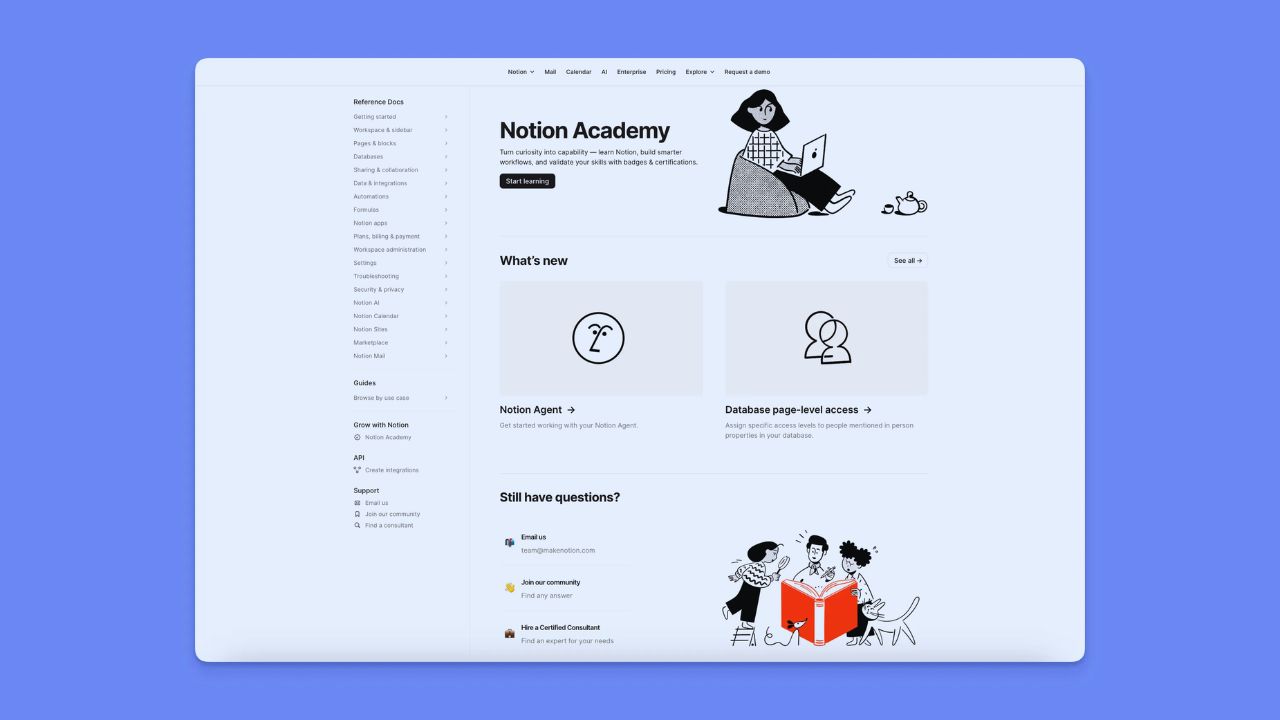
The Blank Page Is Both the Attraction and the First Problem
Notion offers pages, blocks, databases, templates, and views without imposing one workflow.
A client team can keep notes, schedules, source links, and approvals in a project hub. That freedom feels useful after rigid tools, yet someone must decide where the real version lives.
Without an owner and shared names, duplicate pages quietly multiply in client folders, teamspaces, and forgotten home pages.
Build for a Repeated Job, Not for a Perfect Dashboard
Start small. A writer may track assignments, deadlines, notes, and sources; an operations team may build one request queue and guide.
Both solve a repeat problem without mapping the business on day one. Do not copy an elaborate template yet.
Real work reveals necessary fields, while extra widgets create maintenance that people rarely plan to own.
Databases Are Helpful When Different People Need Different Views
A database earns its place when the same records need several views. A content lead may use a calendar, an editor a review list, and a manager a board for stalled work.
Since those views point to one set of items, updates do not need copying.
Keep one source record, and make each view answer one working question without duplicating dates, owners, or approval status.
Relations and Rollups Can Reduce Copying—Until They Become a Puzzle
Relations can connect an article to its client, campaign, writer, and assets; rollups can show open tasks or the latest review date.
That removes repeat updates when the links are genuinely useful. But long chains of formulas, relations, and rollups can slow a database and confuse maintainers after several helpful shortcuts have been layered together.
Keep the model simple enough that a colleague can repair it without specialist help.
Collaboration Is Strongest When Final Answers Return to the Page
Comments, mentions and permissions, and shared pages keep discussion near the record it affects.
An editor can flag a weak claim, a client can approve a change, and a coordinator can assign the next step without forwarding a thread.
Yet meeting decisions and DMs must return to the page. Visible decisions create reliable handoffs for people absent from the conversation and prevent the same question returning next week.
Guests Need a Narrower Door Than Teammates
Guests can be invited to individual pages instead of the whole workspace, which helps with contractors, clients, and agencies.
Still, check what a guest can open, what a synced database exposes, and whether access is needed after delivery.
Treat guest permissions as living access, not a one-time invitation. A monthly check stops old links becoming a security problem after a contract closes or a role changes.
Charts Answer Simple Questions, Not Every Reporting Need
Charts are useful for a weekly count of work by status or a simple view of incoming requests.
They can clarify a standup without exporting a database, which is often enough to spot a bottleneck before a weekly review.
But a chart is not business intelligence. For multi-source analysis, formal time capture, and capacity planning, keep everyday reporting separate from high-stakes analysis.
Large Workspaces Need Regular Housekeeping
Performance issues often come from setup choices, not just record volume.
Notion recommends simpler formula chains and rollups, fewer filters on them, hidden unused fields, and the removal of stale pages.
High-traffic hubs also benefit from focused linked views rather than several full databases loading together. Smaller views and clean properties make work calmer, including for people checking updates from a phone.
Plans Change What a Team Can Reliably Expect
The Free plan works for a personal system or small test, but it has a 5 MB file-upload limit, seven days of page history, and ten external guests.
Paid plans add larger uploads, more history, more guests, and unlimited charts; Plus has 30 days of history, Business 90, and Enterprise unlimited.
Free workspaces with several members also have content-block limits, so test collaboration before buying. Compare your real workflow with features you will use.
AI Can Speed Up Drafting, but It Cannot Own the Judgment
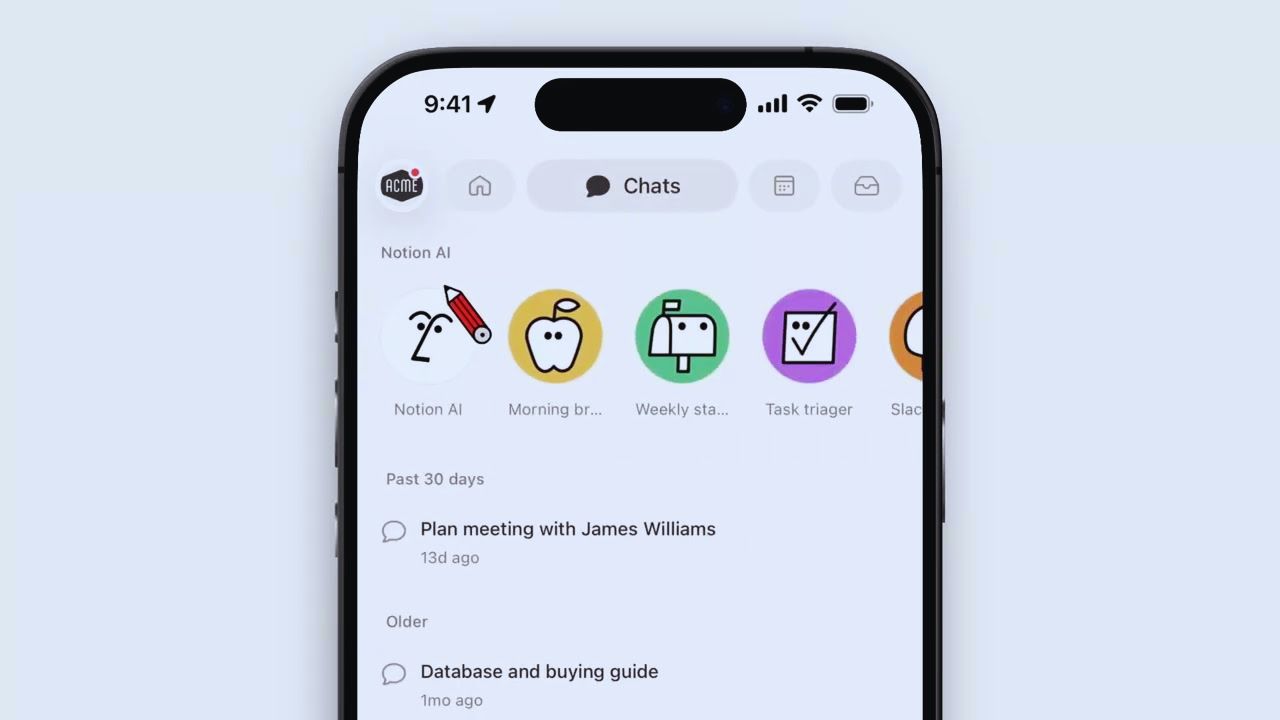
Notion AI can summarize and draft, autofill databases, search connected apps, and support follow-up.
Free and Plus users receive limited trials; broader AI access is on Business and Enterprise.
A manager may use it to gather recurring issues from notes, but a person must still understand the account or policy. Keep human review close to claims and deadlines; use it for first drafts, not final calls.
Who Will Feel the Benefits Most Quickly?
Notion fits teams that blend documentation, light project tracking, and shared references.
It works for content operations linking briefs to drafts, agencies organizing client work, and product groups connecting research with delivery notes.
It is less suited to strict time capture, deep portfolio reporting, critical-path planning, or formal support queues. In those cases, make it the context layer beside specialist software that handles the official record.
Also Read: Bitwarden Review Based on Value for Money
A Two-Week Pilot Exposes More Than a Template Demo
Test one live workflow, not an imaginary dashboard. Run an active launch, onboarding sequence, content cycle, or request process through it for two weeks.
Notice what returns to chat, which fields go stale, which pages people skip, and where anyone creates a workaround.
Those patterns show whether the system supports ordinary pressure or only demo value:
- Can someone find the current decision quickly?
- Does each task have a visible owner?
- Is any field creating work without value?
Keep Only the Parts That Make the Work Easier to Continue
Notion works best when it reduces copying and searching while preventing unclear handoffs without needing a workspace architect.
Begin with a narrow problem, give every database a reason to exist, and keep key pages easy to find.
Add formulas, charts, AI, or automation after the basic record stays current. That protects daily usefulness and lets the workspace grow with the team, instead of with an unchecked feature list.