Notion becomes appealing when a team is tired of rebuilding the same brief, searching old chats for a decision, and wondering which spreadsheet is current.
A Notion review should ask whether the tool makes ordinary work easier to recover.
It can bring notes, tasks, databases, and reference pages into the same space, but it also gives people enough freedom to create a mess quickly. The real test is whether a group maintains shared context after the novelty fades.
Begin With the Work That Keeps Breaking
Start with something that already fails under normal pressure.
A marketing lead may chase feedback through email, a consultant may need one place for client notes and deadlines, and an operations manager may repeat answers to new hires.
Notion works best when it puts the current instruction beside the work it affects. That creates a clear home for repeat questions, not another library people visit only when someone sends a link.
A Launch Page Is a Useful Stress Test
A product-launch page can hold the audience summary, approved message, task list, links to assets, meeting decisions, and a simple timeline.
Before a review, everyone sees what remains unresolved. It can grow with the launch without becoming a large project-management system.
That matters once deadlines start to overlap. Here, connected pages and visible decisions save time because the team no longer has to reconstruct the story behind the work.
Flexibility Has a Cost When Everyone Builds Differently
Notion does not force one workflow on a team.
That is appealing until one department calls a task “In Progress,” another uses “Active,” and a third keeps work in unstructured notes.
Search grows crowded, totals become doubtful, and newcomers learn several private systems. The problem is missing common language and basic guardrails.
A Database Should Have One Narrow Job
A database is useful when it tracks a repeated type of work, not when it stores every idea in the company.
An editorial team might use one for articles, with a title, owner, stage, publication date, and draft link.
A customer-success group could track recurring questions, account owner, urgency, and resolution. Every property should influence a decision. It protects data quality and reduces update fatigue.
Do Not Mistake Extra Views for Better Visibility
A collection can appear as a calendar, board, or table for different work. Each view should answer a different question without copying information.
Five near-identical layouts only give people five places to get lost. Name views after their purpose, such as “This Week’s Drafts” or “Waiting for Approval.” It makes daily navigation more intentional.
Templates Work When They Preserve Judgment
Templates should prompt questions people might miss. A client-onboarding page can ask for the contact, approved scope, access needed, milestone, and risks.
A meeting template can capture the decision, owner, date, and items needing confirmation elsewhere. This is more useful than a beautiful page full of decorative sections.
Good templates preserve working judgment and reduce avoidable omissions.
Copying a Complex System Can Hide a Bad Fit
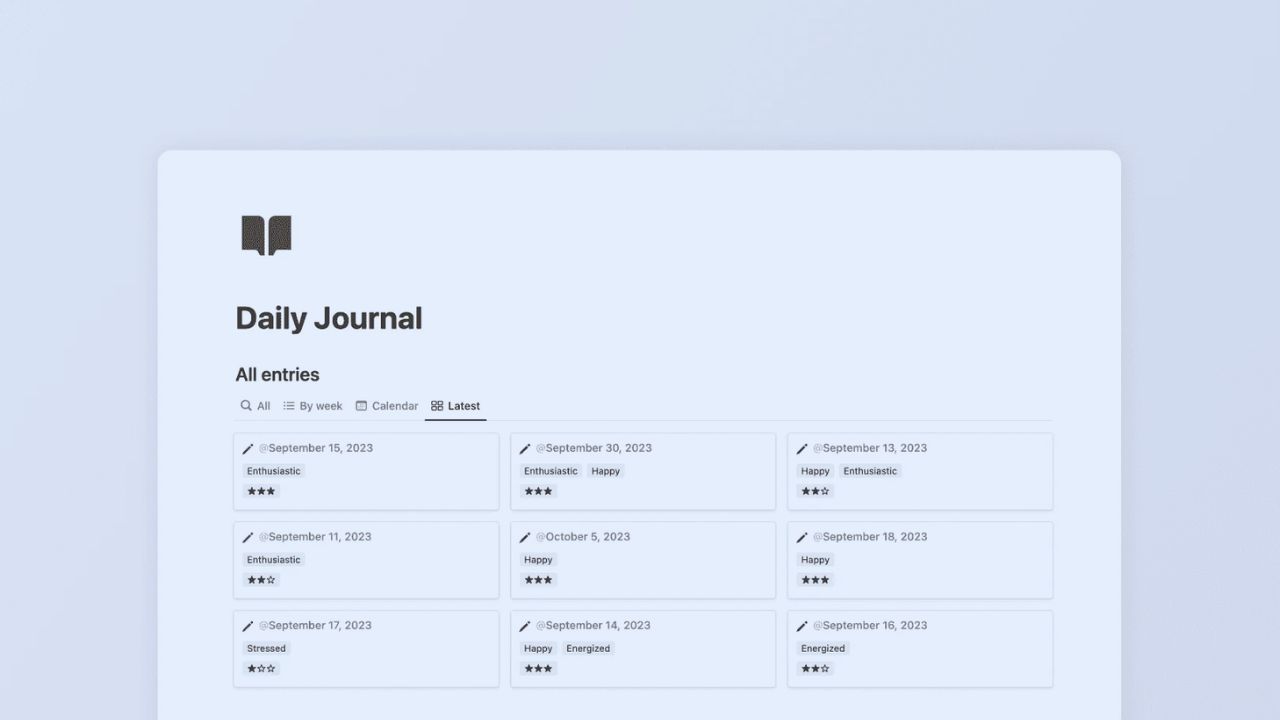
Template galleries offer starting points for a reading list, content calendar, team wiki, or project page.
Yet copied systems often contain fields, formulae, and views that fit the creator’s habits rather than yours.
Use one for a real week, delete what nobody touches, and rename labels in the language your team already uses. Aim for local usefulness, not a workspace built for screenshots.
Collaboration Improves When the Final Answer Returns to the Page
Notion is strong for shared drafts, planning pages, reference hubs, and discussion that benefits from a lasting record.
Comments can keep feedback near a paragraph or task, while links can connect a meeting outcome to the work it changes.
A fast decision may happen in chat or during a call, but the agreed result should return to the source page. That stops decision history and current instructions from drifting apart.
Meeting Notes Need a Small Follow-Through Habit
The useful meeting note is not the longest one. It identifies the decision, responsible person, deadline, and project it affects.
Before the day ends, someone should turn confirmed actions into tasks and remove speculation from the final record.
Otherwise, long notes and AI summaries become another place to search. This changes talking points into workable commitments.
Also Read: Airtable Limitations You Should Know Before Subscribing
AI Helps Only When the Workspace Has Something Worth Reading
Notion AI can speed up an outline, condense a long page, surface scattered details, or turn rough notes into a usable draft.
It becomes less reliable when the underlying pages are old, vague, or contradictory. An answer may sound confident while pointing to an outdated policy or missing a decision that was never recorded.
Use it for first-pass support and faster discovery, then check the source before treating its output as final.
Some Work Still Belongs in a Specialist System
Notion can coordinate knowledge, flexible records, and lighter project work, but it is not automatically the system of record for every part of a business.
A busy support desk may need service-level controls, a finance team may need audit-ready transactions, and engineers may need issue tracking connected to code.
Forcing those processes into pages and databases can create manual work instead of removing it. Keep clear boundaries between reference work and specialized systems.
Test It During a Normal, Slightly Messy Week
Do not judge Notion from an empty home page. Choose one recurring workflow, bring in its active material, and ask the people involved to use it during normal deadlines.
Look at what was updated, what stayed in chat, and which pages people could not find.
Also test mobile access and offline pages under real conditions, not only on a desktop with reliable Wi-Fi. This reveals adoption patterns and unnecessary friction far better than a feature tour.
Use These Questions During the Review
A short audit keeps the pilot honest. Focus on real behavior rather than template appeal:
- Can a new teammate find the current source without asking?
- Did people update the shared record after making a decision?
- Which page, property, or view created the most friction?
Conclusion: Keep What People Return To
Notion is valuable when it gives repeated work, decisions, and reference material a place people genuinely revisit. Its flexibility becomes an advantage only after a team agrees on a few names, owners, and source pages.
After two weeks, keep the parts that reduced searching or duplicate updates, and remove the pieces everyone ignored.
That review is more revealing than another template: it shows whether the workspace is becoming part of the work, or merely another place where work goes to wait.