A useful Notion review should not begin with a list of new features. It should begin with the work that used to disappear between a meeting, a message, and a database no one remembered to update.
Recent changes make it more capable of acting on information and preserving it offline.
The question for a team is whether those new tools strengthen an existing routine or create another layer to maintain.
The Update Is a Workflow Shift, Not a Catalogue of New Buttons
Notion now asks more of the workspace than before. Its Agent can create and edit pages and databases, search information across the workspace and connected tools, and help with multi-step tasks.
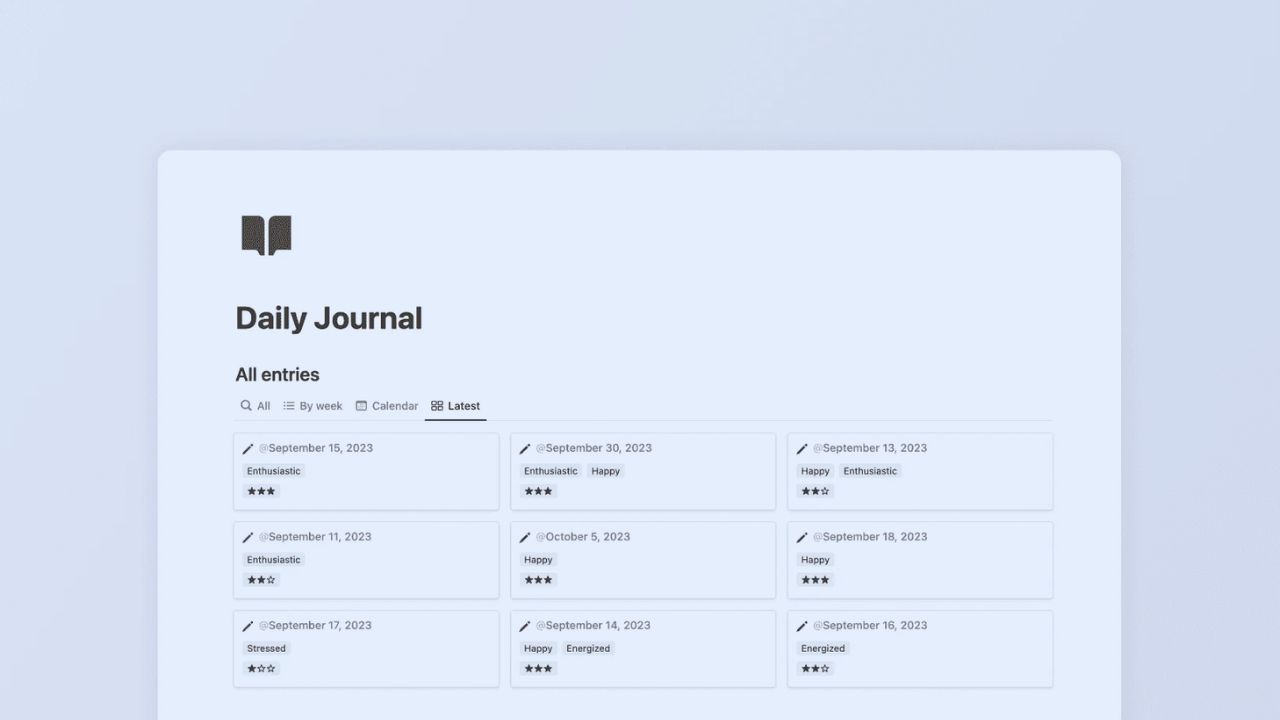
It helps only when a process has an owner, defined inputs, and a clear finish.
A campaign tracker with clear stages may benefit from a status cleanup; a scattered collection of old notes will not suddenly become trustworthy.
The update rewards structured work much more than unstructured ambition.
An Agent Needs a Specific Kind of Homework
The strongest use is narrow and easy to check. A content lead might ask the Agent to identify briefs without an owner, create a list of overdue approvals, or turn agreed meeting actions into draft tasks.
Each result can be checked against the original pages before anyone acts on it. A weaker request is “organize this project,” because priorities, exceptions, and private context are usually missing from the prompt.
Keep a human decision at the point where an output changes deadlines, commitments, or people’s responsibilities.
Auditability Matters More Than a Clever Response
AI assistance becomes safer when someone can trace what it read, what it changed, and why.
That does not require a long governance manual for a small team; it may mean naming the source page, limiting which tools are connected, and having one person review an automated result each week.
A client-services manager, for example, can use an agent to gather unresolved requests but should not let it decide which customer receives a promise.
The important distinction is drafting an action versus authorizing an action.
Better Databases Begin With Deleting, Not Adding
Notion’s database improvements can make records easier to browse, but visual polish does not fix a cluttered structure.
Most teams gain more by removing unused properties, merging duplicate statuses, and keeping the fields that determine a next step.
An editorial database may need a title, editor, stage, deadline, and source link.
A meeting log may only need a decision, owner, date, and related project. Fewer fields create faster updates and make useful reporting more believable.
Forms, Buttons, and Automations Work Best as One Visible Handoff
Forms send responses into databases, while buttons and database automations can create or update records, send notifications, or move the work forward.
That can replace a loose request sent in chat with an intake that has the right details from the beginning. Still, the form is only the first step.
A recruitment request needs someone to review it; a marketing brief needs a visible owner; an incomplete vendor form needs a clear response path.
Good automation protects the handoff without hiding who is accountable. It should also leave enough context for the next person to see why the request was accepted, paused, or returned.
Offline Access Changes Field Work More Than It Changes the Whole Workspace
Offline pages are a meaningful improvement for people who take site notes, travel, commute, or work through unstable internet.
Desktop and mobile users can download pages, continue reading or editing them, and sync changes after a connection returns.
That helps a field coordinator capture an inspection note or a trainer open a checklist during a workshop.
It does not make every large database equally comfortable away from Wi-Fi. Treat offline access as prepared continuity, not unlimited independence. Before travel, check:
- Download the exact pages you expect to need.
- Confirm there is enough device storage.
- Review how the team will resolve sync conflicts.
Mobile Still Rewards Narrow Views
The mobile app works well for comments, quick updates, capture pages, and forms, especially when a view has only the fields someone needs to touch.
It is less pleasant for reorganizing a large database, changing dense filters, setting up permissions, or reviewing a long wiki.
A sales rep can update a next step from a phone; an operations lead will likely want a laptop for monthly cleanup.
Building mobile-friendly views respects the device rather than pretending a small screen offers desktop-level control. This is reasonable when capture and administration are treated as different work.
Permissions Now Belong in the Productivity Conversation
More connected context and more capable agents make permission choices harder to postpone. Custom Agents can be given access to selected pages, databases, and connected apps, and Enterprise organizations can choose data-residency settings for new workspaces.
Those options may help teams with real governance needs, but they do not remove the need to decide which content an agent should see or change.
Start with view access when that is enough, document the reason for edit access, and review connections when responsibilities move.
This keeps convenience from outrunning data stewardship. It also reduces the chance that a useful automation quietly becomes a route into information it was never meant to handle.
Also Read: What Surprised Us During Real Testing: Our Honest Notion Review for Digital Productivity Seekers
A Small Pilot Reveals What Should Remain Manual
A new setup should begin with one live workflow rather than an organisation-wide rebuild. Use a client-onboarding process, editorial cycle, recurring meeting, or internal request queue, then run it through normal pressure for two weeks.
Watch for updates that still happen in chat, pages that nobody opens, and agent outputs that require more checking than the old method.
Ask the people doing the work whether the source record remains easy to verify and whether anyone can explain the handoff without opening a maze of pages.
These pilot signals show whether the update supports the way people work, instead of merely adding modern-looking tools.
The Best Result Is a Workspace People Can Trust on a Busy Day
Recent Notion changes give teams more ways to gather information, work offline, automate routine steps, and use AI around existing records.
Their value is not in using every new capability at once. Keep the process small enough that people understand what happens next, test it with ordinary work, and remove anything that adds maintenance without a clear return.
A workspace becomes more useful when the current answer is easy to find, the next action is hard to miss, and a new teammate can act right away without asking who remembers a decision from last week.