An Ahrefs Feature Review is useful when it examines decisions a tool helps make, not the size of its index.
Ahrefs combines backlink research, keyword discovery, technical crawling, rank monitoring, content research, and AI-visibility tools.
That range can shorten the path from a question to an informed next step. It cannot replace search intent, human review, or a clear definition of success.
Do Not Treat a Large Dataset as a Final Answer
Ahrefs is strongest when it helps an operator compare patterns, investigate a change, or find the next worthwhile question.
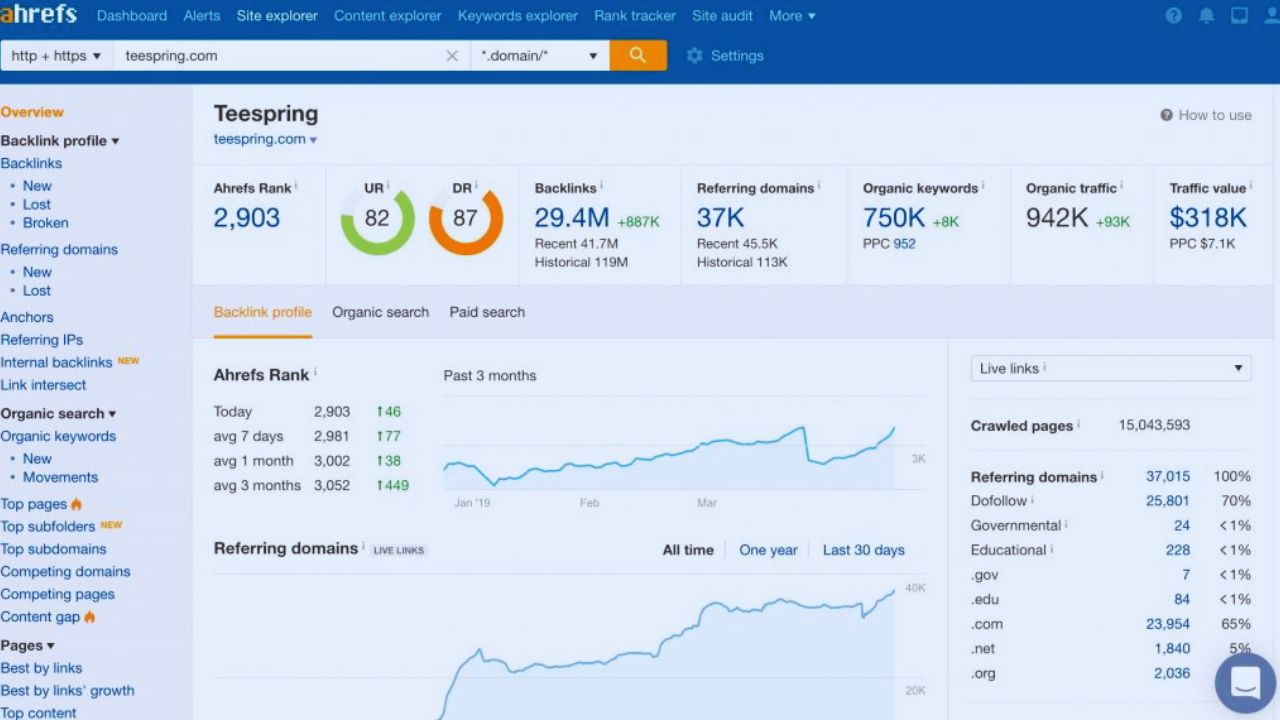
A rising referring-domain count may reflect successful digital PR, lost editorial links, or low-value directory links. Those situations need different responses.
The platform provides useful evidence and faster discovery, but it cannot decide which signal deserves budget or escalation.
Site Explorer Is Most Valuable When a Team Has a Specific Link Question
Site Explorer is often the first tool SEO teams open because it shows a site’s link profile, referring domains, anchors, new and lost links, and competing pages together.
A retailer can investigate why a category page lost visibility after editorial links disappeared.
An agency can compare a client’s strongest pages with a competitor’s and find outreach angles rather than send generic pitches. It supports backlink analysis when tied to a defined action, not weekly scorekeeping.
Keyword Research Works Better as a Planning Conversation
Keywords Explorer surfaces ideas, volume estimates, difficulty signals, related questions, and SERP context across markets. Its value is grouping opportunities around an audience problem, not exporting long lists of similar phrases.
A local plumber may need service pages, urgent-problem content, and location questions—not fifty near-duplicates. Good research turns search demand into content choices a site can genuinely support.
Traffic Potential and Difficulty Are Directional, Not Promises
A difficulty score is not a ranking forecast, and a traffic estimate is not revenue.
Results vary by country, device, season, and the page type Google favors. Compare possible topics, then inspect the live SERP: product pages, local listings, guides, videos, or established brands.
This avoids false precision and helps match search intent before assigning writers or development time.
Also Read: Webflow Review Based on Customer Support Experience
Site Audit Is Useful When Fixes Have an Owner
Ahrefs Site Audit flags technical and on-page issues, including broken links, crawlability, indexation, and metadata errors. It is useful after a migration, before a release, or when important pages behave unexpectedly.
Ahrefs can surface more than 170 predefined technical and on-page issues, so a crawl may produce a lot at once. A long issue list changes nothing by itself.
Group findings by impact, confirm they affect pages that matter, and assign fixes to people who can validate them. Aim for technical triage and clear follow-through, not the lowest health score.
Rank Tracking Adds Context After Changes Go Live
Rank Tracker helps teams monitor agreed keywords by location, device, and market, then compare movement with shipped work.
A drop after a template change or competitor launch deserves investigation; a one-day fluctuation may not. Agree on the keyword set before tracking; adding every phrase in a research export makes trend reports noisy.
SERP feature tracking can explain why a stable position produces different visibility. Use it to understand ranking movement and search-result changes, not to turn every shift into an emergency.
Content Explorer Is Better for Finding Angles Than Copying Winners
Content Explorer can identify pages that attract links, earn visibility, or approach a topic unusually well.
A strategist might see whether original data, a calculator, an interview, or a visual guide earns attention in a crowded niche.
The aim is a different, more useful asset—not a thinner imitation. Look for content gaps and linkable ideas that fit real expertise.
AI Content Helper Can Reduce Research Friction, Not Editorial Responsibility
Ahrefs’ AI Content Helper offers topic suggestions, content scoring, and drafting support.
It can help a writer spot missing concepts or reorganize a weak outline before an editor reviews it.
It should not tell a medical, legal, financial, or technical brand what to claim. Keep subject expertise and source checking in the process, especially where polished wording can mislead.
Brand Radar Is an Emerging Signal, Not a Standalone Scorecard
Brand Radar tracks how brands appear across several AI platforms and other discovery channels. It can help a team see whether its name, products, or pages surface in relevant conversations.
Coverage, prompt choice, model behavior, and market differences still matter. For example, a brand may appear in answers for a broad category question but not for the specific buying questions its sales team hears.
That distinction is more useful than a single visibility total, because it points to gaps worth researching. Treat AI visibility as a research signal, then inspect actual answers and the content that may influence them.
Credits, Add-Ons, and Usage Limits Deserve Attention Before Procurement
Ahrefs is not priced as one simple subscription. Plans, credits, crawl allowances, tracking frequency, user access, and add-ons can change total cost.
Teams running frequent audits, exports, or tracking across many locations should estimate routine use before approving a budget.
Confirm current terms in the account and official plan materials, then monitor consumption. A monthly review is easier than discovering a report or export has stopped during a busy campaign.
This keeps tool spending tied to workflow value, rather than surprise charges or restricted work midway through a campaign.
Three Questions Keep the Platform Focused on Useful Work
Before expanding usage, use these decision checks to connect data collection with action:
- Which report will change a real decision this month?
- Who will verify an important metric before it guides strategy?
- What work can stop if the tool does not provide evidence?
Ahrefs Fits Teams That Will Interpret, Not Just Export
It may suit an agency managing SEO programs, an in-house organic-growth team, or a consultant who needs a reliable research environment.
It may be excessive for a small site needing only occasional keyword ideas or basic monitoring. The deciding factor is not business size.
It is whether the team has repeatable SEO work and someone accountable for turning research into the next move.
Conclusion: Use Ahrefs to Narrow the Work That Matters
Ahrefs is strongest when backlink data, keyword research, crawling, rank tracking, and content analysis serve a specific routine.
It is less useful when teams collect metrics without a question, treat estimates as guarantees, or buy features nobody owns. Start with one recurring task—technical checks, link reclamation, or content refresh planning—and document how output changes action.
That keeps Ahrefs data in service of better decisions, not another dashboard.