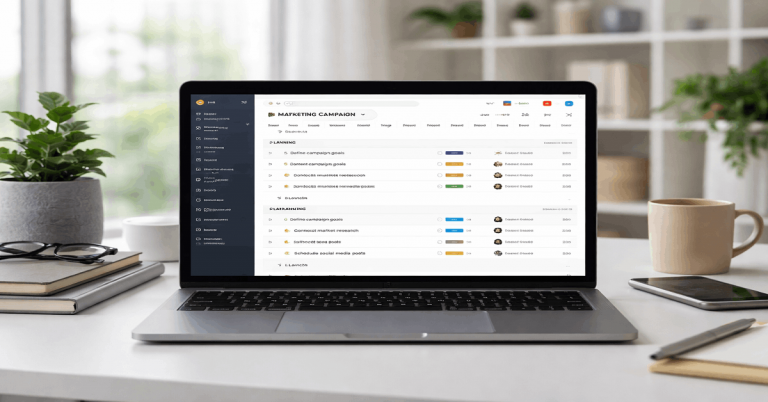
This review focuses on what happens when ClickUp becomes part of everyday work. Instead of judging the platform by feature lists or marketing claims, the focus stays on repeated tasks, daily friction, and workflow impact.
ClickUp is built as an all-in-one workspace for tasks, docs, goals, updates, and team coordination. The real question is whether it stays useful after the setup phase ends and daily habits take over.
What This Daily ClickUp Test Looked At?
A fair daily-use review needs a clear scope. ClickUp has many features, but testing everything at once can make the results messy.
This review focuses on the actions most users repeat often, such as creating tasks, updating due dates, changing statuses, adding comments, and checking progress. The goal is to judge daily reliability, not every advanced feature.
Keep the Test Focused on Core Work
ClickUp works best when the test starts with basic task management. Tasks, due dates, statuses, comments, and simple updates show how the tool behaves in normal use.
This also prevents the review from being distracted by features that may not matter every day. A focused test makes it easier to see whether ClickUp supports real work or adds extra effort.
Use a Stable Daily Routine
A stable routine helps reveal patterns over time. The same devices, check-in times, task types, and views should stay consistent during the test.
Avoid changing Spaces, automations, dashboards, or workflows in the middle of the review. If the setup keeps changing, it becomes harder to know whether ClickUp improved or the system simply changed.
What Happens During Week One?
The first week is usually the adjustment period. ClickUp can feel powerful, but it also requires users to understand how Spaces, Lists, views, statuses, and task details fit together.
Early use often includes both quick wins and small slowdowns. This stage is important because it shows how much setup effort is needed before the tool feels natural.
Setup Creates an Early Slowdown
Week one often feels slower because the system needs structure. Users may spend time deciding where tasks belong, how statuses should work, and which views make sense.
This setup effort can interrupt normal work before it starts saving time. The slowdown is not always a bad sign, but it should be measured honestly.
Early Wins Show Up Quickly
Some benefits appear almost immediately. Due dates, reminders, task assignments, and status changes can make work easier to see.
Having tasks and updates in one place can reduce the need to search across several tools. These early wins are useful, but they need to hold up after daily work becomes heavier.
Also Read: Real-Use Testing on Slow Connections

What Changes After 30 Days?
After a month, the first impression becomes less important. Repeated use shows which parts of ClickUp become automatic and which parts still feel heavy.
Navigation usually becomes easier as users learn where things are and how their workflow fits the structure. At the same time, persistent friction becomes harder to ignore because it repeats every day.
Routine Actions Become Faster
Creating, updating, and closing tasks usually becomes faster with repetition. Users learn which fields matter and which parts of the interface they can ignore.
Common movements between views and task details also start to feel more familiar. This makes ClickUp more useful once the basic workflow is settled.
Persistent Friction Stays Visible
Some friction does not disappear with familiarity. Extra clicks, crowded screens, noisy notifications, and too many visible options can still slow down simple work.
These issues matter because they affect focus during busy days. A tool can be powerful and still feel heavier than needed for small tasks.
Daily Pros, Cons, and Workflow Impact
Daily use makes ClickUp’s strengths and weaknesses easier to separate. The biggest benefit is that work becomes more visible and structured.
The main tradeoff is that the system needs setup, cleanup, and discipline to stay useful. ClickUp is not a passive tool, because it works best when users actively maintain their workspace.
Use this quick review check after daily use:
- Note whether task visibility improved or became more crowded.
- Track whether due dates and reminders helped follow-through.
- Watch for extra clicks that slow down simple actions.
- Check whether notifications support focus or interrupt it.
- Review whether cleanup is manageable or becoming a burden.

ClickUp Can Improve Follow-Through
ClickUp can help users see what needs attention and what is already moving. Due dates, reminders, and statuses reduce the need to remember every next step manually.
This can improve follow-through, especially for deadline-heavy work. The benefit is strongest when tasks are organized clearly and reviewed consistently.
ClickUp Can Add Maintenance Work
The same structure that improves clarity can also create upkeep. Tasks, views, labels, statuses, and notifications need regular adjustment to stay useful.
If the workspace becomes crowded, users may spend more time managing the system than doing the work. This makes maintenance effort one of the biggest long-term tradeoffs.
How ClickUp Holds Up Under Daily Load?
Daily load reveals whether ClickUp stays smooth when tasks pile up. Normal workdays may include many active tasks, comments, due date changes, reminders, and view switches.
ClickUp generally feels more dependable when the setup stays organized and the workload is moderate. Heavier workspaces can introduce more visual noise and occasional slower moments.
Performance Depends on Workspace Complexity
ClickUp can handle regular task work well when the workspace stays controlled. Simple lists, clear statuses, and focused views make navigation easier.
Larger setups with many tasks, automations, and custom fields can feel more demanding. The tool remains useful, but performance and clarity depend heavily on how the workspace is built.
Focus Depends on Notification Control
Notifications can either support work or break concentration. Helpful alerts remind users about deadlines, mentions, and important updates.
Too many alerts can turn ClickUp into another source of interruption. Tuning notifications is important if the tool will stay open throughout the workday.
Who ClickUp Fits Best
ClickUp is strongest for users who like structure. It fits people who manage many tasks, deadlines, projects, and updates across different areas of work.
It also helps teams that need shared visibility and clear ownership. Users who want one central system may benefit more than users who only need a simple checklist.
Best for Structured and Deadline-Heavy Work
ClickUp is a good fit for planners who like defined workflows. It helps when tasks need statuses, categories, owners, due dates, and follow-ups.
Multi-project users can benefit from having everything organized in one place. The platform works best when structure supports the work instead of slowing it down.
Harder for Minimalist Users
ClickUp may feel too heavy for users who prefer a simple list. Low-task-volume users may not need the setup effort or layered organization.
People who are easily distracted by dense interfaces may find the workspace tiring. For simple personal tracking, a lighter tool may feel faster and easier.
Final Verdict After Daily ClickUp Use
Daily use shows that ClickUp can improve visibility, planning, and follow-through when the workflow needs structure. It works best for deadline-heavy, multi-project, or team-based work where one central system matters.
The tradeoff is that ClickUp needs setup discipline, notification control, and regular cleanup to stay efficient. If your work benefits from structure more than simplicity, a 30-day daily-use trial is the best way to decide if ClickUp deserves a permanent place in your workflow.